Home · Speakers
Speakers
The Kiel meeting has always mixed physicians, cave and wreck explorers, photographers and people who run boats. The voices below are the calibre the conference is built around — working names from medicine, GUE projects, Baltic wreck film, and the university’s own marine desks.
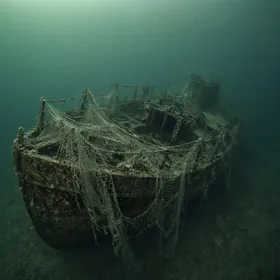
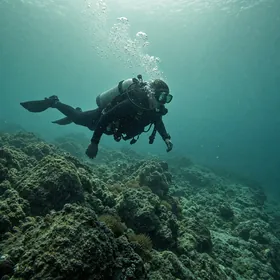
Talks stay close to the water: decompression practice, scientific diving permits, wreck corridors of the western Baltic, cave systems, closed-circuit kit in temperate seas, and how public aquaria speak about wild stocks. Several speakers still instruct, still film, or still run a season — they are not a slide deck flown in for the weekend.
Dr. Simon Mitchell
Anaesthesiologist and diving physician
Simon has treated several hundred decompression cases and still dives wrecks on a rebreather. His research sits on embolic brain injury and inner-ear DCS. He previously chaired the UHMS diving committee and co-wrote chapters that working doctors still keep on the boat.
Jarrod Jablonski
Explorer, instructor, founder of Global Underwater Explorers
A geologist by training, Jarrod has led cave and wreck seasons from Florida and Mexico to China and the Baltic. He wrote the DIR manuals many of the room already trained on, and still spends expedition weeks at 90 metres of rock overhead.
Richard Lundgren
Trimix diver and underwater videographer, Baltic Sea Divers / Ocean Discovery
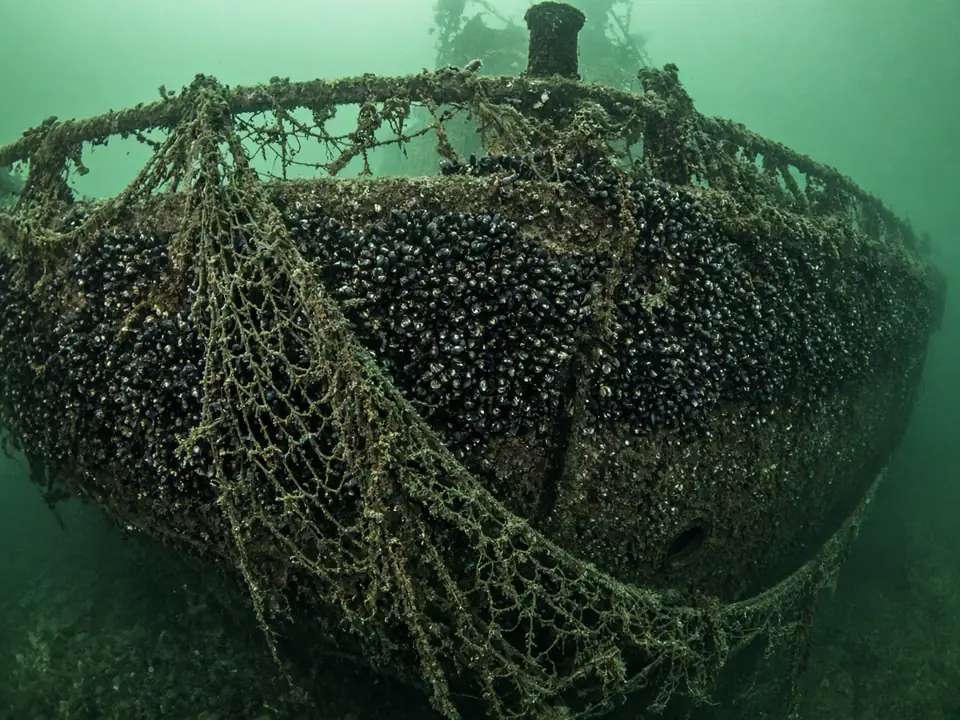
Richard films wrecks that sit in green water and bad vis. He has directed GUE training in Scandinavia and still prefers a camera in a harbour that most holiday divers skip.
Phil Short
Cave and rebreather instructor, IANTD UK
Phil came in through dry caving in the Mendips, then spent decades teaching closed-circuit to film units, police teams and park services. His talks stay on the practical: flooded sumps, Pacific wreck searches, and why eight minutes of video is enough if the shot list is honest.
David Rhea
GUE instructor and photographer
David sits on GUE’s training side and still shoots for Quest. His project list runs Mexico, China, Norway, Italy, Bimini and Florida — the same mix of cave, ocean and magazine work this conference was invented to put in one room.
Dr. Alf Brubakk
Professor of environmental physiology, NTNU Trondheim
Alf’s desk is physiology and biomedical engineering. He is in Kiel to talk about what the body actually does on the way up, without the marketing slide that usually precedes that sentence.
Dr. Todd Kincaid
Hydrogeologist, GUE science director
Karst water is Todd’s subject: Florida springs, Wyoming caves, and the mapping work that keeps a cave from being treated as a swimming pool. He has been cave diving since the late 1980s and still argues for measurement before slogan.
Uli Kunz
Scientific diver and underwater photographer, Kiel
Uli trained as a marine biologist in Kiel and Gothenburg and works as a scientific diver in water that is still cold and often brown. His photographs come from pack ice, Mexican caves, Orkney drop-offs and nights with too many torches.
Gareth Lock
Technical diver, wreck photographer
Gareth photographs deep wrecks in water that does not forgive a slow strobe. Most of his training ran through GUE; most of his problems are vis, temperature and the logistics of getting a camera to the right rib at the right hour.
Also in the room
Medicine, archaeology, conservation, DIR training
Dr. Andreas Koch, Dr. J.P. Imbert, Dr. Nicole Kube, Florian Huber, Kady Smith, Laurens de Groot, Martin Groves, Pierre-Yves Cousteau, Simon Oliver and Thomas Dederichs join for panels on navy and commercial physiology, aquarium collections, Sea Shepherd patrols, and how European DIR shops actually run a season.